



4hi reversible cold rolling mill
The reversible cold rolling mill stands as a cornerstone of modern metal manufacturing, a master of precision and power that transforms hot-rolled coils of aluminum, steel, and copper into thin, strong, and dimensionally exact strip. Unlike continuous tandem mills, the defining characteristic of this setup is its reversing nature; the strip passes back and forth through the same set of work rolls multiple times to achieve the desired reduction in thickness and improvement in mechanical properties. This process, whether executed on a robust 4hi reversible cold rolling mill or a more advanced 6 hi reversing cold rolling mill , generates immense amounts of heat and friction. Consequently, the selection, integration, and meticulous maintenance of its lubrication and cooling system are not merely operational concerns—they are fundamental to the mill's productivity, product quality, and economic viability. The entire operation of a cold reversing mill hinges on the precise interplay between the mechanical force of the rolls and the chemical and physical prowess of the rolling fluid. Reversing Rolling Mill : Fundamentals of the Rolling Process and System Demands To appreciate the sophistication required in lubrication and cooling, one must first understand the extreme environment within the roll bite of a reversing rolling mill . As the metal strip is forced through the narrow gap between two counter-rotating rolls, it undergoes plastic deformation. Nearly all the energy expended in this deformation is converted into heat, elevating the temperature of the strip, the work rolls, and the backup rolls to levels that can exceed 200°C (392°F) in severe cases. Simultaneously, the intense pressure, which can reach over 1,000 N/mm², creates a condition of boundary lubrication where metal-to-metal contact is imminent. Without an effective fluid medium, this would lead to catastrophic wear, galling, and rolling defects. Therefore, the fluid system in a reversible cold rolling mill must perform a dual, yet inseparable, function: cooling to manage the thermal load and lubrication to control friction and wear. The efficiency of this system directly dictates the mill's speed, the achievable reduction per pass, the surface finish of the strip, and the crown and flatness profile. Reversing Rolling Mill : Strategic Selection of Rolling Fluids and System Components The selection of the appropriate rolling fluid is a critical strategic decision that depends heavily on the metal being rolled and the desired final product properties. For rolling non-ferrous metals like aluminum and its alloys, neat oils are predominantly used. These are mineral or synthetic-based oils containing a complex package of additives including lubricity enhancers, anti-wear agents, antioxidants, and foam inhibitors. They offer superior surface finish, excellent lubrication, and are easier to maintain in terms of cleanliness. However, their primary drawback is a lower cooling capacity compared to water-based fluids. For carbon steel rolling, oil-in-water emulsions are the standard. These are precisely formulated concentrates that, when mixed with water, form a stable dispersion of oil droplets. The water phase provides exceptional cooling by absorbing and carrying away vast quantities of heat, while the oil droplets provide the necessary lubrication at the roll bite. The stability of this emulsion is paramount; droplet size must be meticulously controlled. Macro-emulsions with larger droplets offer better lubrication for harder grades, while micro-emulsions, with their smaller droplets, provide superior cooling and cleanliness, often preferred for thinner gauges. The system itself is a complex circulatory heart for the mill. It consists of large-capacity tanks, powerful pumps capable of handling thousands of gallons per minute, intricate filtration systems (often employing magnetic separators, paper band filters, or cartridge filters to remove metallic fines and tramp oil), and a network of nozzles that must deliver the fluid in a specific pattern, pressure, and volume to both sides of the strip and the rolls. For a 6 hi reversing cold rolling mill with its intermediate rolls, the nozzle header design becomes even more complex to ensure all roll interfaces are properly serviced. Reversing Rolling Mill : A Rigorous Maintenance Regime for Peak Performance and Longevity The performance of a lubrication and cooling system degrades rapidly without a disciplined and proactive maintenance strategy. Contamination is the eternal enemy. Metallic particles, or "fines," abrade rolls and strip surfaces, leading to a dull finish and increased wear. Tramp oil, which is hydraulic or gear oil leaking into the system, disrupts emulsion stability by coating particulate matter and making it harder to remove, and it can also serve as food for bacteria, leading to biological growth. A daily regimen must include checks of concentration using refractometers, monitoring of pH levels (a drop indicates bacterial activity or contamination), and visual inspection for tramp oil accumulation. Filtration is the first line of defense. Filters must be serviced regularly, and their efficiency constantly verified. The system’s chemistry must be actively managed. This includes the automated or manual dosing of biocides to control microbial growth, which can produce acids that corrode the system and strip, and cause foul odors. Corrosion inhibitors protect the vast network of pipes and tanks. Demulsifiers might be used to help separate tramp oil for easier skimming. For neat oil systems in an aluminum cold reversing mill , maintaining viscosity and additive levels is crucial, requiring periodic analysis and topping up of the chemical package. The physical components demand equal attention. Pump seals and bearings are high-wear items. Nozzles must be inspected and cleaned frequently to prevent clogging; an obstructed nozzle creates a hot spot on the roll that can lead to a thermal crack, a costly and time-consuming problem to rectify. The heat exchangers, vital for cooling the recirculating fluid, must be kept clean and leak-free. A comprehensive maintenance log that tracks all these parameters—flow rates, pressures, temperatures, concentration, and filter conditions—is indispensable for predicting failures and planning downtime. Reversing Rolling Mill ’ s Consequences of Neglect and the Path to Optimization Failure to uphold these standards has direct and severe consequences. Poor lubrication manifests as high friction, leading to increased power consumption, excessive roll wear, and a high incidence of surface defects like pick-up (where particles of the strip weld to the roll surface) and scratches. Inadequate cooling causes uncontrolled thermal expansion of the rolls, resulting in poor strip shape (e.g., wavy edges or tight centers) and the dreaded thermal fatigue checkering on the roll surface, which then transfers onto every subsequent strip processed. Unstable emulsions can break down in the high-pressure roll bite, losing their lubricity and leading to strip breaks, which are a significant safety hazard and cause massive production delays. For a reversing cold rolling mill , where productivity is measured in passes per hour, any unplanned stoppage is extraordinarily costly. Ultimately, the lubrication and cooling system is the lifeblood of the 4hi reversible cold rolling mill or any of its more complex brethren. Its selection is a balance of metallurgical requirements and economic considerations, while its maintenance is a non-negotiable discipline. Investing in high-quality fluids, state-of-the-art filtration, automated monitoring systems, and a skilled, vigilant maintenance team pays exponential dividends. It ensures the mill operates at its designed efficiency, produces a consistently high-quality product, minimizes roll consumption and energy costs, and achieves its maximum operational lifespan. In the high-stakes world of metal production, mastering this complex fluid system is what separates a profitable, world-class operation from an unreliable and struggling one.

We have successfully executed over 500
projects around the world,
many first-of-their-kind
research projects and products in China, including
We have successfully executed over 500
projects around the world,
many first-of-their-kind
research projects and products in China, including
-
2004
The 1st hydraulic AGC system for hot rolling of ribbon steel
-
2006
The 1st AFC system used for 1450mm skin pass mill
-
2009
The 1st 5-stand tandem line with 2-stand POR & Uncoiler for 650mm ribbon steel
-
2012
The 1st reversing mill for 1380mm strip
-
2016
The 1st soft-rolling system used in skin pass mill
-
2019
The 1st fully automated medium-width tandem cold rolling mill
-
2021
The 1st 5000KN Twin-stand double skin pass mill
-
2022
The 1st coupled pickling line & tandem cold mill with two modes - big roller & small roller
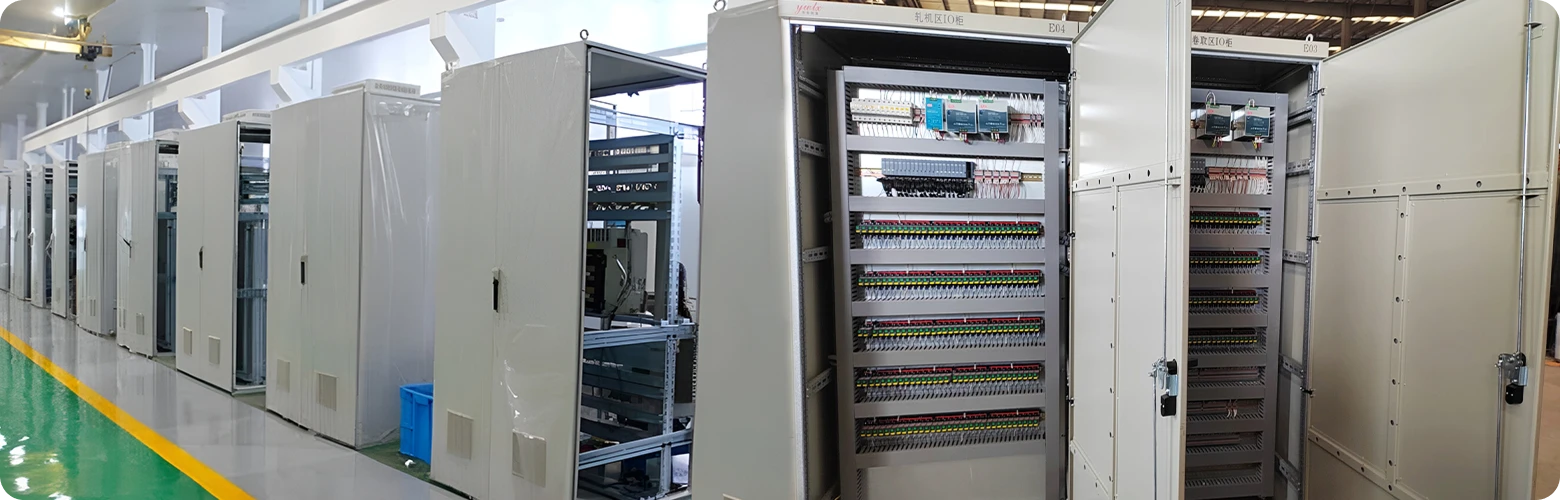
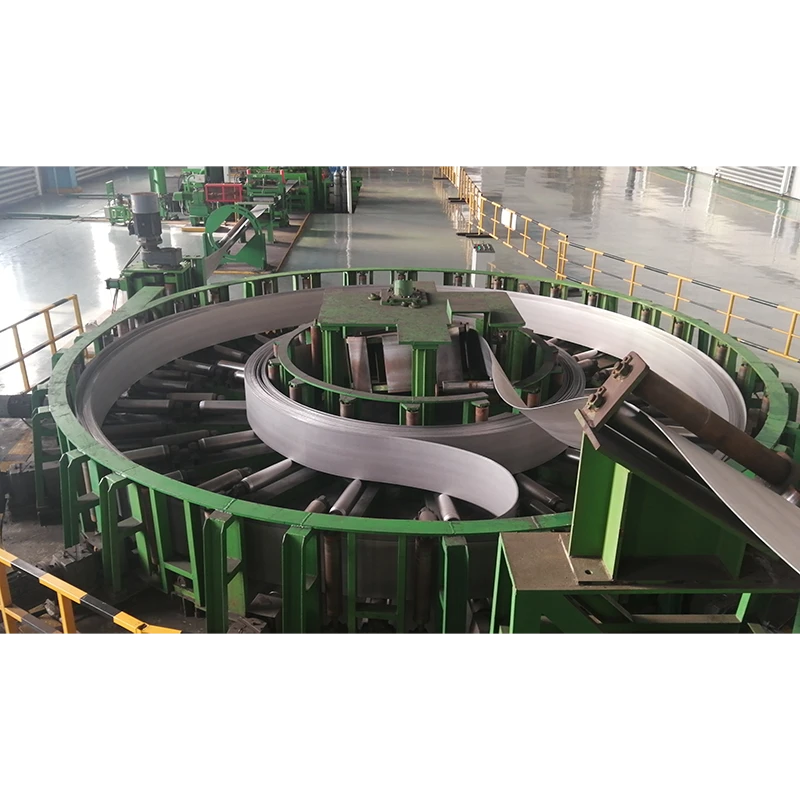
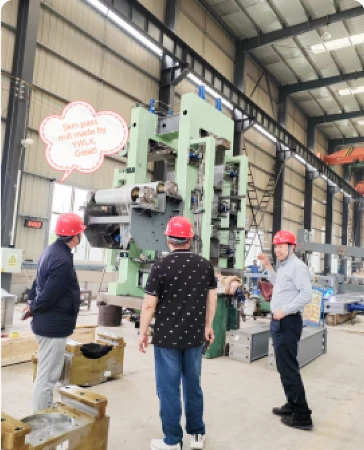

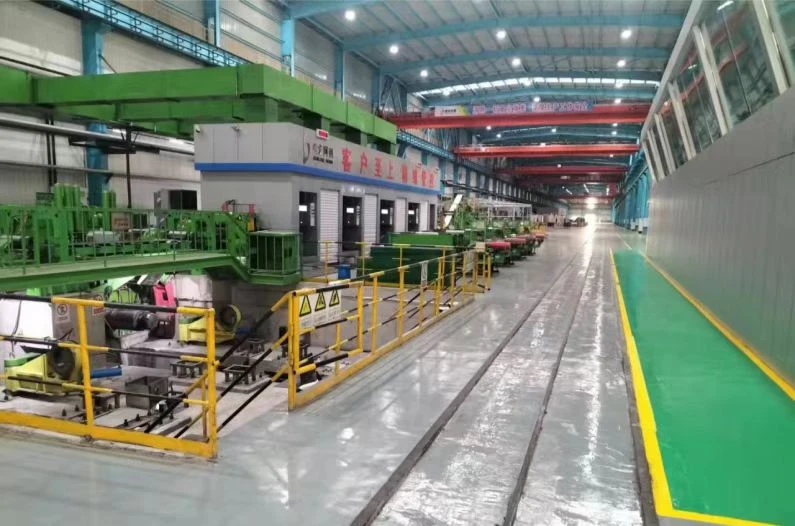
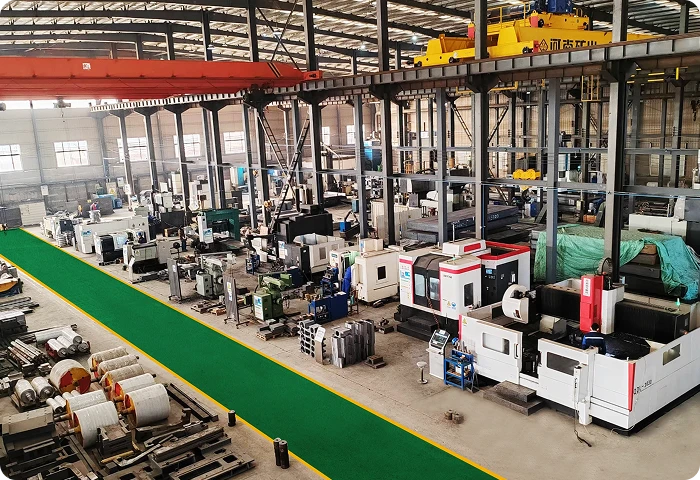
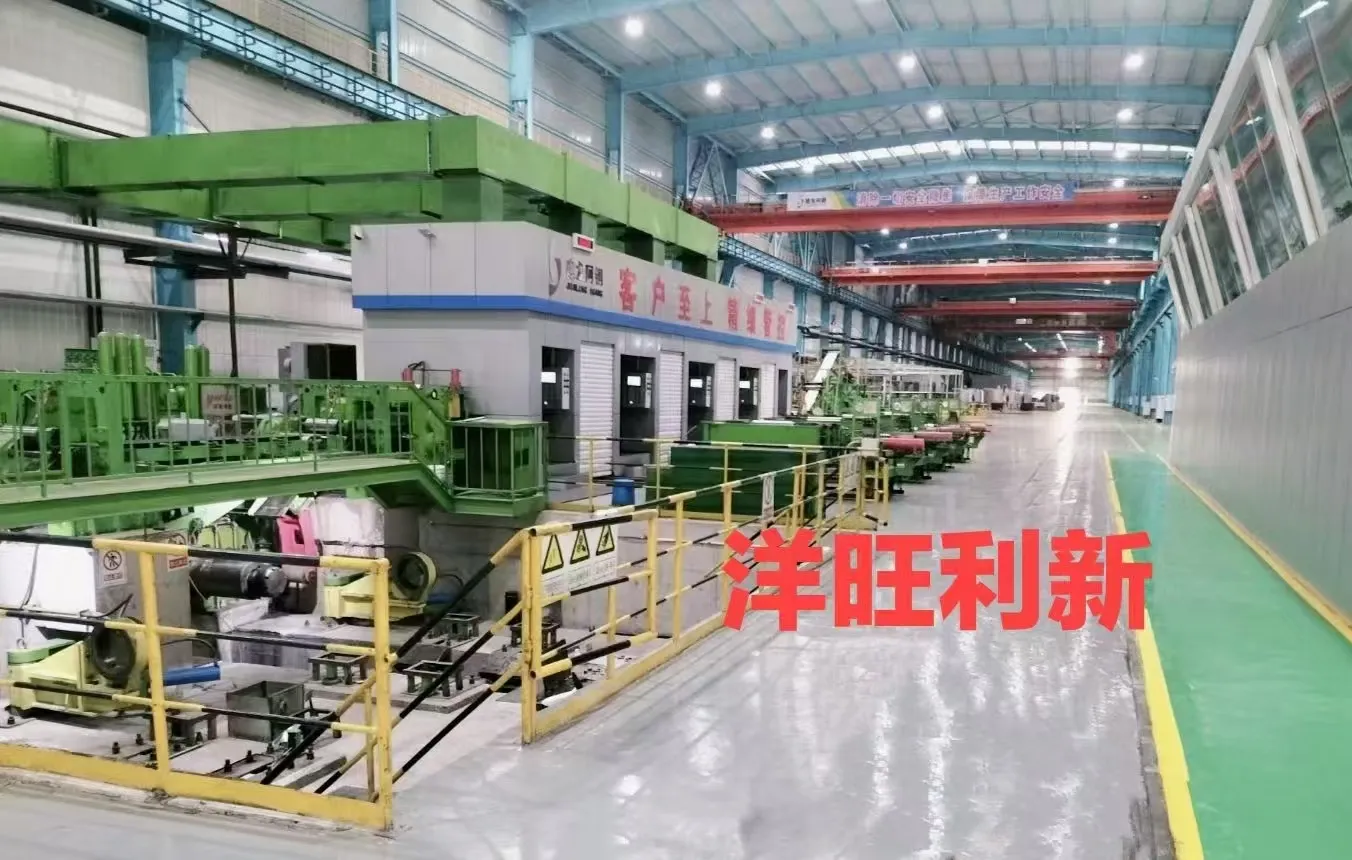
Yang Wang Li Xin operates a state-of-the-art facility over 66,000 square meters,and our manufacturing facility is fully equipped with high-tech machinery and high-capacity cranes. This enables us to handle large work pieces measuring 4.5m in width, 10m in length, and 1.5m in height, guaranteeing our capacity to produce 1800mm skin-pass mills and 1450mm rolling mills. The individual piece can weigh up to 100 tons.

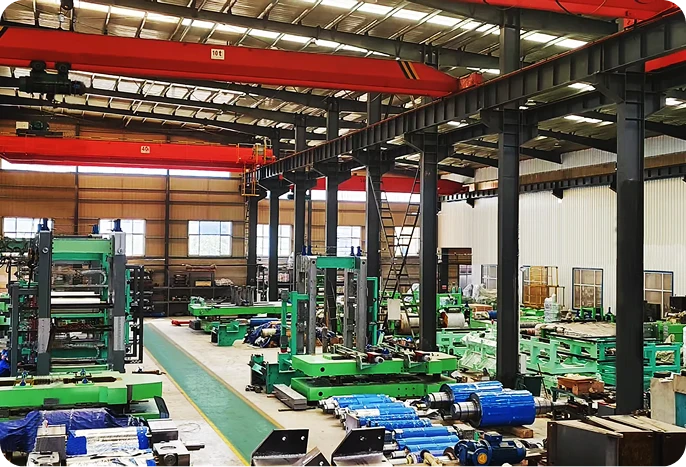

Quality is fundamental to the enterprise survival. We have established a comprehensive and meticulous quality management system and have successfully obtained ISO14000 certification. Starting from the design source, it supervises the entire production cycle, including design, procurement, processing, assembly, in-factory testing, installation, and online commissioning. The workshop is equipped with measuring tools like vernier calipers, spectrometers, hardness testers, and ultrasonic flaw detectors. They are used to check materials and control tolerances to ensure the final equipment meets or exceeds requirements. All products have a unique code, This enables the easy identification and traceability of the equipment components and ensures full control of quality.


-
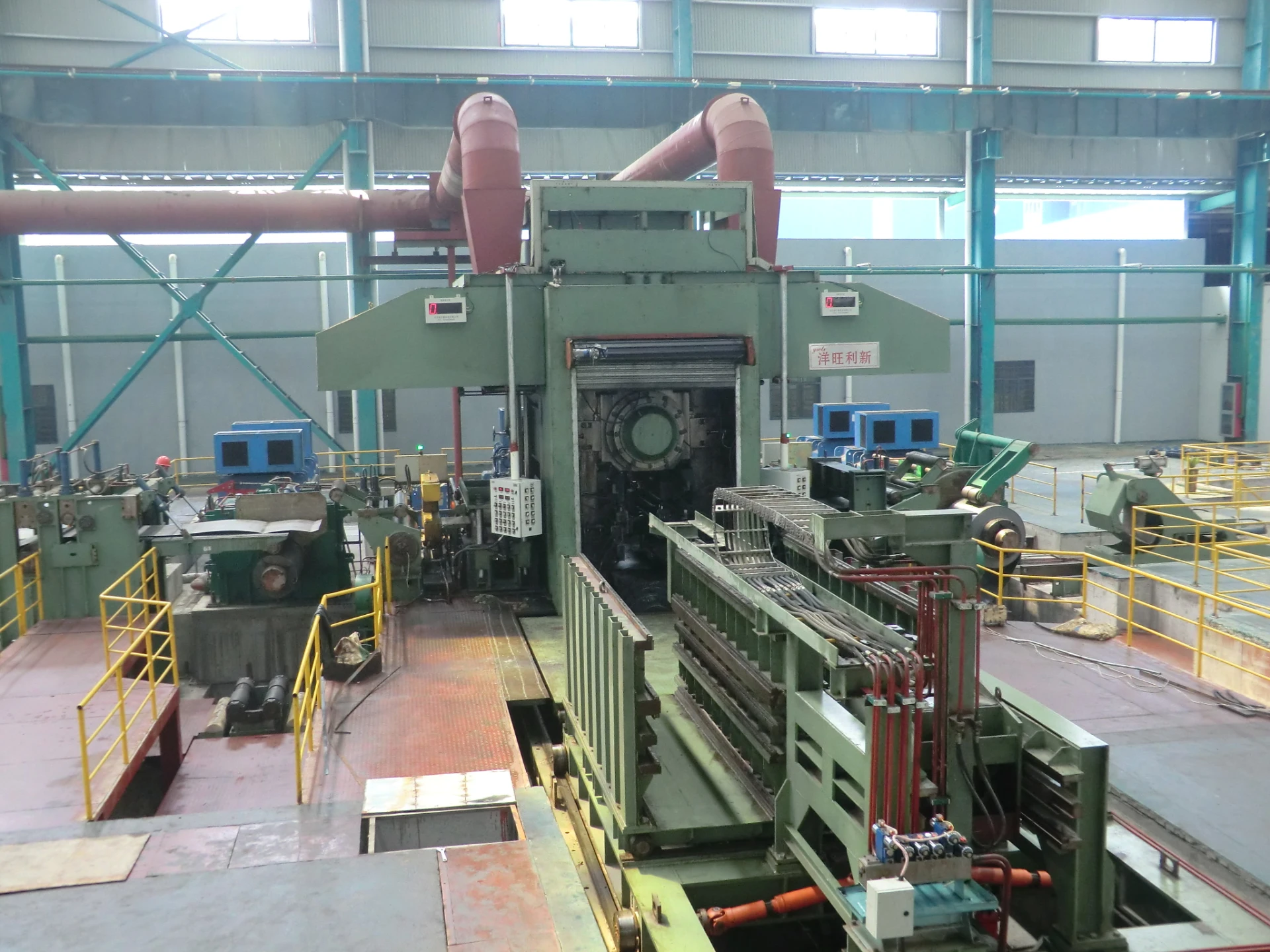 Precise Water Cooling System for Water Tanks: Stable Temps.Introduction to Advanced Water Cooling Systems for Industrial Tanks In various industrial processes, maintaining precise temperature control within storage and process tanks is paramount for operational efficiency, product quality, and equipment longevity. A robust and efficient water cooling system for water tank is not merely an auxiliary component but a critical infrastructure element. These sy
 -
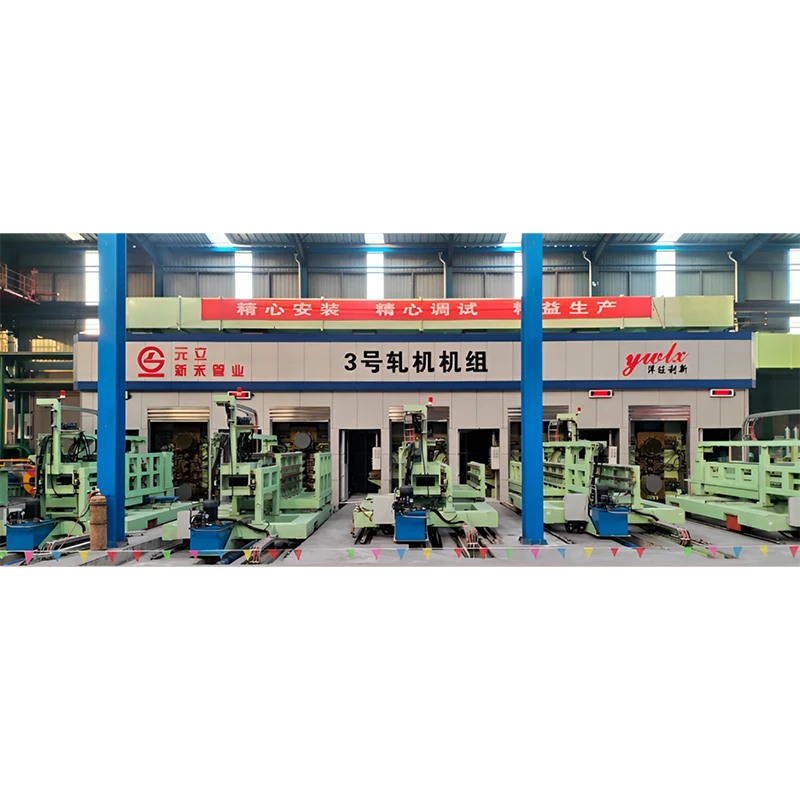 Cladding Rolling Mill - Beijing Yang Wang Li Xin Sci&Tech Co.,Ltd. | Cold Rolling Cladding, Energy EfficiencyFounded by Beijing Yang Wang Li Xin Sci&Tech Co.,Ltd. (formerly 石家庄洋旺机电技术有限公司), the Cladding Rolling Mill represents a significant advancement in metal cladding technology. This innovative system addresses long-standing challenges in traditional methods such as hot roll bonding cladding and explosive cladding , offering a more efficient, eco-friendly, and cost-effective solution. By leveraging col
 -
 鋼板圧延機In the world of industrial manufacturing, the steel plate rolling mill stands as a cornerstone of technological advancement and production efficiency. Known for transforming raw steel into usable sheets, this essential piece of equipment significantly impacts industries ranging from construction to automotive manufacturing. Drawing on years of technical expertise, this article delves into the uniq


